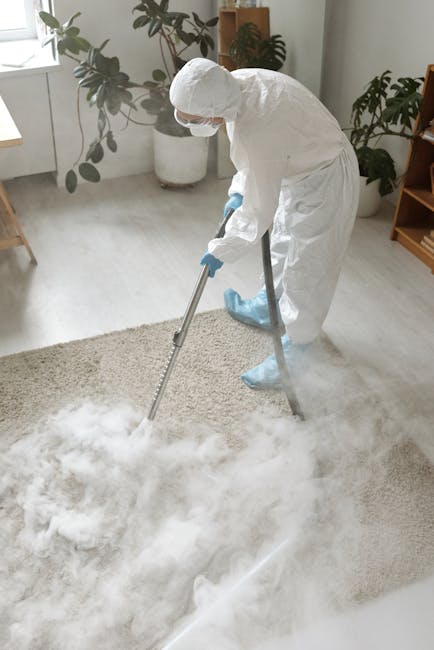
Avoid hidden charges in carpet cleaning Greenwich Council
Posted on 22/06/2026
Getting carpets cleaned should feel straightforward: you ask for a price, agree the work, and enjoy a fresher room afterwards. But in real life, hidden extras can creep in fast. If you are trying to avoid hidden charges in carpet cleaning Greenwich Council, the safest approach is to understand how quotes are built, what extra fees are common, and what a trustworthy cleaner should tell you before they arrive. That way, there are no awkward surprises when the invoice lands on the doormat.
This guide breaks the whole thing down in plain English. You will learn what hidden charges usually look like, how to compare quotes properly, what to ask before booking, and how to spot the difference between a genuine extra and a padded bill. It is practical, local, and a little bit no-nonsense - because let's face it, nobody enjoys paying for "access fees" they never agreed to.
Contents
- Why avoiding hidden charges matters
- How carpet cleaning pricing usually works
- Key benefits of clear pricing
- Who this is for
- Step-by-step guidance
- Expert tips for better results
- Common mistakes to avoid
- Tools, resources and recommendations
- Law, compliance and best practice
- Options and comparison table
- Real-world example
- Practical checklist
- Conclusion
- Frequently asked questions
Why Avoid hidden charges in carpet cleaning Greenwich Council Matters
Hidden charges are not just annoying. They can change the whole value of the job. A quote that looks cheap at first glance may become expensive once the cleaner adds fees for stairs, parking, treatment, room size, drying, or "heavily soiled" carpets. In some cases, the extras are legitimate. In others, they are only revealed when the work is done, which is exactly the situation most people want to avoid.
For homes and flats in Greenwich, this matters even more because properties vary so much. You may have a compact riverside apartment, a family house with several floors, or a rental flat with tight access and no nearby parking. Each of those details can affect the real cost. If you do not ask about them in advance, the final price can drift away from the headline quote pretty quickly.
There is also a trust angle. A cleaner who is open about pricing usually tends to be more transparent about the whole service: what is included, what products are used, what happens if stains do not fully lift, and what aftercare is sensible. That kind of clarity is worth a lot. It makes the process calmer. Less faff. Less guesswork.
If you are comparing services, it can help to read broader company information too. Pages such as pricing and quotes, terms and conditions, and insurance and safety should tell you how a business thinks about transparency and risk, not just price.
How Avoid hidden charges in carpet cleaning Greenwich Council Works
The simplest way to think about it is this: you are trying to separate the true service cost from the add-ons. Most carpet cleaning quotes are built from a mix of base pricing and situational factors. The base part may depend on the number of rooms, the floor area, or the type of carpet. The situational part comes from access, condition, equipment needed, and any specialist treatment.
A good quote should make those categories obvious. For example, if a company charges extra for heavily stained areas, they should say how they define "heavily stained". If they charge for moving furniture, they should say which items are included. If parking is a concern, they should explain whether they expect the customer to arrange it or whether it is charged separately. Nice and simple, really.
In practice, hidden charges usually appear in three places:
- Before the visit: vague "from" prices that are only valid for the easiest jobs.
- During the visit: surprise add-ons once the cleaner sees the carpet condition or access.
- After the visit: invoices that include items never discussed at the quoting stage.
That is why the best protection is written clarity. Not just a quick phone estimate. Not a loose chat at the door. You want a quote that names the areas, explains the condition assumptions, and sets out any likely extras in plain language.
For a wider view of the company's service range, a page like services overview can also help you understand how carpet cleaning fits alongside domestic, upholstery, or end-of-tenancy cleaning. That matters because bundled services are one place where pricing can become muddy if you are not careful.
Key Benefits and Practical Advantages
Clear pricing does more than save money. It improves the whole booking experience. You know what is happening, when it is happening, and what you are likely to pay. That removes a lot of friction, especially if you are organising cleaning around work, children, tenants, or a move.
Here are the biggest advantages:
- Better budgeting: you can plan the real spend, not a fantasy number that only applies to the easiest job.
- Fewer disputes: when the service and price are agreed upfront, there is less room for awkward conversations later.
- Better comparisons: you can compare cleaners on the same basis instead of comparing apples and pears.
- More confidence: transparent businesses usually feel more dependable from the start.
- Less stress at the door: nobody wants to hear, "There's an extra charge for that," five minutes before the equipment comes out.
Another benefit is that it encourages realistic expectations. Carpet cleaning is not magic. A decent technician can usually improve appearance, freshness, and hygiene a lot, but some stains, odours, or wear marks will not disappear completely. Honest pricing tends to go hand in hand with honest results. That is a good thing.
One small but important detail: when quotes are clear, you can decide whether a service is actually worth it. Sometimes the cheapest offer is still the best. Sometimes the slightly higher one is better because it includes pre-treatment, spot removal, or post-clean inspection. It depends. The point is, you get to choose properly.
Who This Is For and When It Makes Sense
This advice is useful for almost anyone booking carpet cleaning in Greenwich, but it is especially valuable if you are in one of these situations:
- Homeowners who want a proper clean without surprise add-ons.
- Renters trying to keep cleaning costs under control before moving out.
- Landlords managing multiple properties and needing predictable invoices.
- Tenants and letting agents who need work done quickly and documented clearly.
- Busy families who just want the job done once, properly, and without back-and-forth.
- Businesses booking commercial or office carpet cleaning with procurement-style expectations.
It also makes sense if you have tricky access. Think top-floor flats, narrow hallways, resident-only parking, or shared entrances. Those are exactly the places where vague pricing can become messy. A good cleaner should ask about them early. If they do not, you should.
If your cleaning request is part of a wider move or tenancy change, related reading such as the real cost guide for end-of-tenancy cleaning may also help you understand where quotes get inflated and what should be included.
Step-by-Step Guidance
Here is the practical way to avoid hidden charges before you book. Nothing fancy. Just a solid process.
- Ask for the full scope in writing. Make sure the quote says how many rooms or areas are included, whether hallways and landings count, and whether stairs are separate.
- Check what "standard cleaning" means. Some cleaners mean vacuuming and stain treatment. Others mean full hot-water extraction. If the wording is loose, ask them to define it.
- Confirm the extras upfront. Ask about parking, furniture moving, stain treatment, pet odour treatment, and access complications before you book.
- Describe the carpet condition honestly. If there are pet stains, drink spills, heavy traffic marks, or old tenancy damage, say so early. It is better than a surprise fee later.
- Ask whether the quote is fixed or estimated. A genuine fixed price should stay fixed unless the job changes materially. An estimate is fine too, but only if the boundaries are explained.
- Check payment timing. Will you pay after completion, on the day, or in advance? Make sure you understand when money changes hands. The payment and security information should make that clear.
- Look for written terms. If a cleaner has terms and conditions that explain cancellations, minimum charges, and scope changes, that is usually a good sign.
- Inspect the invoice before paying. Once the job is done, compare the invoice line by line with what was agreed. No surprise maths, if you can help it.
Here is a simple rule of thumb: if you would feel awkward questioning the price, the price was probably not explained properly in the first place. That's blunt, but true.
Expert Tips for Better Results
There are a few small habits that make a big difference. They save money, but they also improve the quality of the clean.
1. Send photos before the booking. A few clear pictures of the carpet, stains, and access points can reduce quoting errors. It is especially useful for stairs, hallways, and awkward rooms.
2. Mention the carpet type. Wool, synthetic, blends, and delicate fibres can all need slightly different treatment. If the cleaner knows the fibre type, they can quote more accurately and avoid "specialist fibre surcharge" style nonsense.
3. Ask how stain treatment is priced. Some companies include basic spot treatment, while others charge per stain or per room. Be specific. "Is this included for normal marks?" is a very good question.
4. Clarify access and parking before the day. Greenwich streets can be busy, and parking isn't always simple. If the cleaner needs loading space, permit access, or extra walking time, find out whether that affects the price.
5. Compare total cost, not headline cost. A lower quote that excludes staircases, deodorising, or furniture movement may end up more expensive than a better all-inclusive quote.
6. Keep the conversation calm and direct. You do not need to sound suspicious. Just be precise. Most professional cleaners are perfectly happy to explain how they price work.
There is a small art to this. You are not trying to catch anyone out. You are just trying to make the booking clean, fair, and predictable. That's it.

Common Mistakes to Avoid
The biggest mistakes are usually simple ones, which is annoying but also fixable. People often rush the booking, focus only on the cheapest price, or assume the quote includes everything. Then they get caught by add-ons that were avoidable from the start.
- Accepting a vague "from" price. It may be a real price, but it is not a reliable one.
- Not asking about furniture. Moving furniture can be included, limited, or extra. Never guess.
- Forgetting to mention stains. If the cleaner arrives expecting a light refresh and finds heavy soiling, the quote may change.
- Ignoring parking or access. Those details can matter more than people think.
- Assuming carpet and upholstery cleaning are priced the same way. They are not. Not even close, in many cases.
- Not reading the small print. A lot of hidden cost problems start there.
It is also easy to make the mistake of treating every extra as a scam. That is not fair either. Some extras are real service costs. The trick is to know them in advance. Fair is fair.
If you are arranging other cleaning at the same time, pages like upholstery cleaning or end of tenancy cleaning can help you think about what else might be bundled into the visit and where separate pricing may apply.
Tools, Resources and Recommendations
You do not need any fancy tools to protect yourself from hidden charges, but a simple system helps. A phone, a few photos, and a written quote are usually enough.
- Photo notes: take wide shots of each room and close-ups of obvious stains.
- Room list: write down each area you want cleaned, including stairs or landings.
- Access notes: mention floor level, parking, entry codes, and any lift restrictions.
- Question list: keep a short list of pricing questions ready before you call or message.
- Quote comparison sheet: if you are choosing between two or three cleaners, list what each includes rather than just their totals.
Useful company pages can also help you decide whether a cleaner is organised and transparent. You might check about us for background, complaints procedure for how concerns are handled, and health and safety policy if you want a sense of how the business works on site.
For a broader local context, reading about carpet cleaning near Cutty Sark and Greenwich Market can also be useful, especially if you are comparing what local access, property type, and traffic patterns can mean in practice. Greenwich has its quirks. Charming ones, mostly, but quirks all the same.
Law, Compliance, Standards, or Best Practice
This is not a legal field guide, so it is wise to keep the compliance side simple and cautious. In the UK, carpet cleaning is generally governed by normal consumer law principles, fair trading expectations, and the terms the business sets out with the customer. That means the main protection is clear communication: what is included, what is extra, and what happens if the job changes.
From a best-practice perspective, a reputable cleaner should be upfront about:
- the scope of the work
- any assumptions behind the quote
- potential extra charges
- cancellation or amendment terms
- payment timing and acceptable methods
If a service involves chemicals, equipment, or wet floors, sensible health and safety practice also matters. The cleaner should work in a way that reduces slip risk, protects surfaces, and handles products properly. That is where pages like health and safety policy and insurance and safety are worth checking. Not because you expect trouble, but because good businesses usually take those things seriously.
There is also a transparency angle around consumer trust. A company that clearly explains pricing, security, and dispute handling tends to be a safer bet than one that avoids specifics. If the wording is slippery, trust your instincts. They are often right.
Options, Methods, or Comparison Table
When you are trying to avoid hidden charges, the real choice is not just between one cleaner and another. It is between different pricing styles. Some are easier to understand than others.
| Pricing approach | What it usually means | Risk of hidden charges | Best for |
|---|---|---|---|
| Fixed quote | A set price agreed in advance for a defined scope | Lower, if the scope is clear | Most households and rentals |
| From price | A starting point that may rise based on conditions | Higher, unless conditions are spelled out | Simple enquiries where details are still unknown |
| Room-by-room pricing | Each room is priced separately | Medium, depending on extras | Larger homes or mixed room sizes |
| Hourly pricing | You pay for time spent on site | Can be unpredictable | Jobs with changing scope or additional tasks |
For many customers, a fixed quote is easiest to manage, as long as the scope is detailed enough. Hourly pricing can be fair too, but only if the cleaner is efficient and transparent. A low hourly rate that takes forever is not really a bargain. We all know how that story ends.
Case Study or Real-World Example
Here is a typical scenario. A tenant in Greenwich books a carpet clean for a one-bedroom flat after moving out. The first quote sounds decent, but it only mentions "bedroom carpet cleaning from GBPX". Nothing about the hallway. Nothing about the small dining area. Nothing about the stain on the living room carpet left by a sofa plant pot. Nothing about parking.
On the day, the cleaner arrives, sees the extra areas, and explains that the job will cost more than expected. Technically, the cleaner may be within their rights if the original quote was only ever for one room. But from the customer's point of view, it feels like a bait-and-switch. Not ideal. Not at all.
Now compare that with the better version. The customer sends photos, lists the exact rooms, mentions the stain, and asks whether parking matters. The cleaner replies with a written quote that includes all areas and states that basic stain treatment is included, but specialist stain removal may cost extra if needed. On the day, the invoice matches the quote. No drama. No confusion. Just a clean flat and a clean exit.
That second version is what you want. It is boring in the best way.
Practical Checklist
Use this before you confirm any booking.
- Have I received the price in writing?
- Does the quote say exactly which rooms or areas are included?
- Have I asked about stairs, hallways, and landings?
- Do I know whether furniture moving is included?
- Have I mentioned stains, pet odours, or heavy wear?
- Is parking or access likely to affect the cost?
- Do I know whether the cleaner is giving a fixed quote or an estimate?
- Are payment timing and payment methods clear?
- Have I read the terms and conditions carefully enough?
- Do I know what would trigger an extra charge?
- Have I compared the total cost, not just the headline number?
- Does the company present itself as transparent and well organised?
If you can tick most of those boxes, you are in a much safer position. Maybe not perfect, but very much safer.
Conclusion
The easiest way to avoid hidden charges in carpet cleaning Greenwich Council is to slow the process down just enough to ask the right questions. A clear quote, a proper scope, and a few honest details about your property can save you money and a fair bit of stress. That is true whether you are cleaning a family home, a rented flat, or a commercial space with slightly awkward access.
Good cleaners should not make pricing feel mysterious. They should make it feel manageable. If a company is open about what is included, what might cost extra, and how it handles changes, that is usually a strong sign you are dealing with someone worth trusting. And if a quote feels slippery? Keep looking. Simple as that.
For more context around service quality and local expectations, you may also find it useful to explore the wider Greenwich cleaning information and related guides on the site, especially if your booking sits alongside a move, tenancy change, or broader home refresh.
Get a free quote today and see how much you can save.