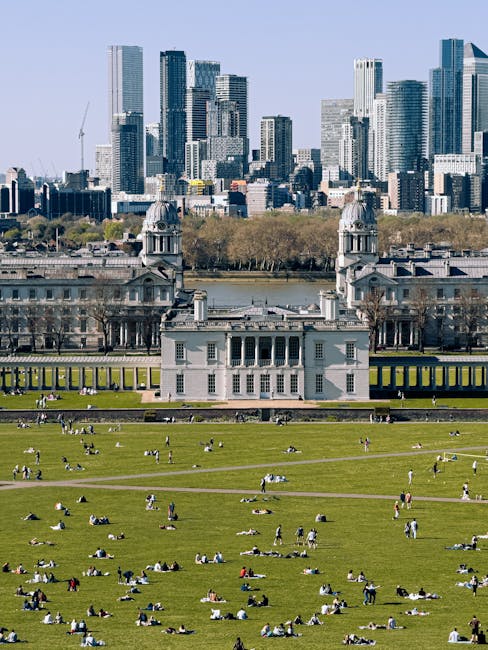
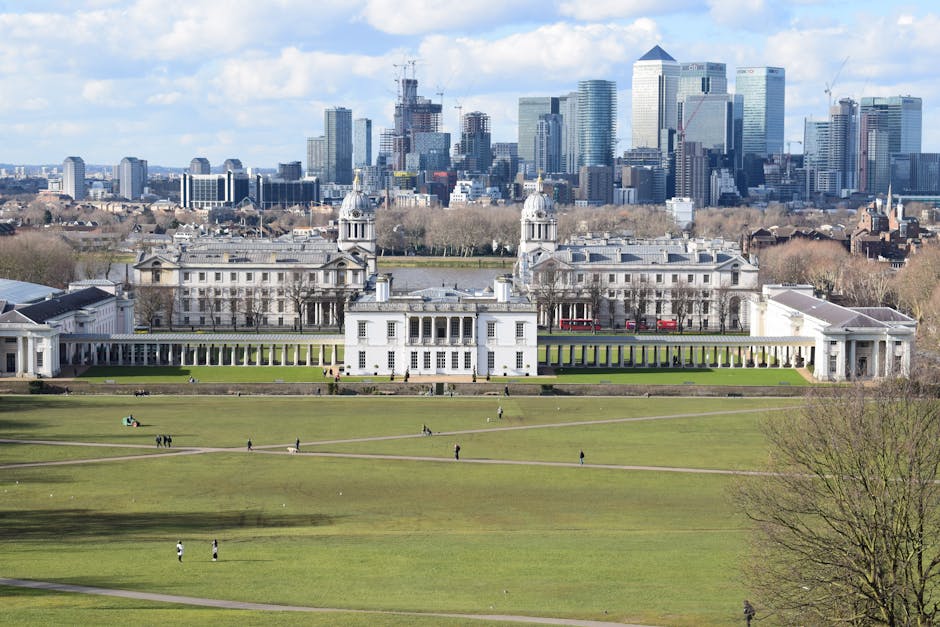
Carpet cleaning in Greenwich near Cutty Sark and Greenwich Market
If you live, work, or run a busy property near Cutty Sark and Greenwich Market, you already know carpets take a beating. Foot traffic from commuters, shoppers, visitors, prams, pets, and the odd rainy London afternoon can leave fibres looking tired much faster than you expect. Carpet cleaning in Greenwich near Cutty Sark and Greenwich Market is not just about making a room look nicer for a day. Done properly, it helps extend the life of the carpet, reduces everyday grime, and makes a home or business feel genuinely more welcoming.
Truth be told, carpets in this part of Greenwich tend to pick up a bit of everything. Fine dust, food crumbs, damp shoe marks, and those faint marks that somehow appear overnight. This guide walks you through what professional carpet cleaning involves, when it makes sense, what to avoid, and how to get better results without overcomplicating things. You will also find a practical checklist, a comparison table, and answers to the questions people usually ask just before booking.
Table of Contents
- Why Carpet cleaning in Greenwich near Cutty Sark and Greenwich Market Matters
- How Carpet cleaning in Greenwich near Cutty Sark and Greenwich Market Works
- Key Benefits and Practical Advantages
- Who This Is For and When It Makes Sense
- Step-by-Step Guidance
- Expert Tips for Better Results
- Common Mistakes to Avoid
- Tools, Resources and Recommendations
- Law, Compliance, Standards, or Best Practice
- Options, Methods, or Comparison Table
- Case Study or Real-World Example
- Practical Checklist
- Conclusion
- Frequently Asked Questions
Why Carpet cleaning in Greenwich near Cutty Sark and Greenwich Market Matters
Greenwich has a particular rhythm. Around Cutty Sark and Greenwich Market, there is a steady blend of residential life, tourism, hospitality, and small business activity. That means carpets are not just dealing with household wear; they are also coping with heavy shoes, spilled drinks, tracked-in dirt, and the sort of grit that seems to travel in from everywhere on a windy day.
A clean carpet does more than look smart. It affects how a room feels the moment someone walks in. A shop, holiday let, office, or family home with well-maintained carpets feels fresher, lighter, and more cared for. And if you are trying to impress guests or customers, that first impression matters more than people like to admit.
There is also the practical side. Soil and dust settle deep into fibres over time, and vacuuming alone cannot always pull it all out. Left too long, embedded dirt can flatten pile, dull colour, and make fibres wear unevenly. In a busy Greenwich property, especially near high-footfall spots like the market or riverfront, regular deep cleaning is one of those small maintenance jobs that saves bigger hassle later.
Expert summary: If your carpet looks flat, dull, or carries lingering odours even after vacuuming, a professional clean is usually less about appearance and more about restoring the carpet's condition before damage becomes permanent.
For landlords and property managers, there is another angle. Clean carpets help a property photograph better, feel more presentable at inspections, and reduce complaints from tenants or guests. Not glamorous, perhaps, but very real.
How Carpet cleaning in Greenwich near Cutty Sark and Greenwich Market Works
Most professional carpet cleaning follows a fairly simple logic: identify the fibres, assess the soil level, treat the worst marks, clean deeply, and then dry the carpet in a controlled way. The exact process depends on the carpet type, the condition of the pile, and how much moisture it can safely handle.
In practice, the work often begins with inspection. A good cleaner will look for fibre type, existing wear, staining, old spills, pet issues, colour loss, and any areas that need special treatment. That matters because wool, synthetic blends, and delicate natural fibres do not all respond the same way. One-size-fits-all cleaning is how mishaps happen. Simple as that.
Pre-treatment usually comes next. This may include applying a cleaning solution to loosen soils or spot-treat specific stains. Then the carpet is cleaned using a suitable method, often hot water extraction, low-moisture cleaning, or dry compound cleaning depending on the circumstances. Afterward, controlled drying and final checks help reduce the risk of lingering dampness or redeposition of dirt.
For nearby homes and businesses, the schedule also matters. Early morning or off-peak cleaning is often the easiest option near Cutty Sark and Greenwich Market, especially if access is tight, footfall is high, or you simply do not want to disrupt a busy day. A decent plan makes the whole thing feel less like a chore and more like a refresh.
If you are comparing services, look for related support too. For example, many households pair carpet care with rug cleaning when they want the whole floor finish to feel coherent, especially in rooms where rugs and fitted carpets are both visible.
Key Benefits and Practical Advantages
The obvious benefit is appearance, but honestly that is only the start. Regular carpet cleaning can improve everyday living conditions in ways you notice after the room has settled back down.
- Better freshness: Carpets hold odours from pets, cooking, shoes, and general living. Deep cleaning helps remove what vacuuming leaves behind.
- Improved presentation: Useful for homes, rentals, boutiques, offices, and hospitality settings where first impressions count.
- Longer carpet life: Dirt acts like sandpaper inside fibres, so removing it can slow down wear.
- Stain management: Some marks are easier to lift when treated promptly and correctly.
- More comfortable rooms: A freshly cleaned carpet often feels softer and less dusty underfoot.
- Lower risk of built-up grime: Regular maintenance helps stop small problems from becoming stubborn ones.
There is also a less obvious benefit: peace of mind. Once the carpet has been properly cleaned, you stop noticing every little mark in the corner. That sounds minor, but it changes how a room feels. You stop mentally editing the floor every time you walk past it. Nice, quiet relief.
In homes near Greenwich Market, where people come and go more often, this can be especially helpful. In rental properties, it can also make ongoing upkeep easier between tenancies. That matters more than most people expect.
Who This Is For and When It Makes Sense
Carpet cleaning in Greenwich near Cutty Sark and Greenwich Market makes sense for a wide range of people, not just those facing visible stains. Sometimes the carpet is not obviously dirty, but it has lost its lift or started to carry a slight musty note after damp weather. That is usually your sign.
It is especially useful for:
- Families with children, pets, or high daily foot traffic
- Landlords and letting agents preparing a property for new occupants
- Homeowners who want to restore a room before guests or a special occasion
- Small businesses with customer-facing carpets
- Holiday lets where cleanliness affects reviews and repeat bookings
- Older properties where dust and wear show more easily
As a rough rule, if you are vacuuming more often but the carpet still looks tired, the issue is probably embedded soil rather than surface dust. You might also notice traffic lanes, dull patches, or stubborn edge marks where dirt settles near skirting boards and doorways.
On the other hand, if a carpet is already badly damaged, stretched, or chemically stained, cleaning alone may not solve everything. That is worth saying plainly. Good cleaning can improve a lot, but it is not magic. Not even close, despite what the more optimistic brochures might imply.
Step-by-Step Guidance
If you want the best result, it helps to know what a good carpet cleaning visit should look like from start to finish. This is not about micromanaging the process. It is about recognising whether the job has been handled properly.
- Assess the carpet first. Check fibre type, wear, stains, and any problem areas before any solution is applied.
- Vacuum thoroughly. Dry soil removal is a key first step because it stops loose grit from turning into mud once moisture is introduced.
- Pre-treat spots and traffic lanes. Heavier dirt in entrances, hallways, and living room walkways usually needs extra attention.
- Choose the correct cleaning method. Hot water extraction suits many carpets, while low-moisture or dry methods may be better for certain fabrics or time-sensitive jobs.
- Agitate where suitable. Gentle brushing or bonneting can help loosen soil, but it must match the carpet structure.
- Extract or remove residues. The aim is to take away loosened soil and cleaning solution, not leave it sitting in the fibres.
- Dry properly. Good airflow and sensible drying time reduce the risk of smells or wicking.
- Final inspection. Look at edges, corners, and any spots that may need a second pass.
One thing that gets missed surprisingly often is post-cleaning traffic management. If a hallway is cleaned and then everyone barrels across it in wet shoes ten minutes later, well, that is not ideal. Give the carpet a fair chance to dry and settle.
If you want to keep up momentum across the rest of the property, some people also book upholstery cleaning at the same time so sofas, dining chairs, and carpets all feel refreshed together. It tends to make the whole room feel more complete.
Expert Tips for Better Results
Small decisions make a big difference with carpet care. In our experience, the homes and businesses that get the best results are usually the ones that prepare well and avoid a few common traps.
- Act quickly on spills. Blot, do not rub. Rubbing drives the spill deeper and can rough up fibres.
- Test products first. Even decent spot removers can affect colour if used carelessly.
- Use mats at entrances. Especially useful near busy Greenwich routes where outdoor grit comes in with shoes.
- Vacuum slowly. A rushed pass misses embedded dust. Slow and steady usually wins here.
- Ask about drying time. A good cleaner should give a realistic estimate, not a vague shrug.
- Check for recurring stains. If a mark returns after drying, it may be residue from an older spill that has wicked back up.
- Keep ventilation in mind. Open windows when weather allows, but avoid forcing wet carpets into cold, stagnant air.
Here is a practical local observation: properties near high-footfall areas often need entryway attention more often than the rest of the room. It is the first two or three metres inside the door that usually bear the brunt. That patch tells a story, really.
If you are planning cleaning around a busy household, late morning or early afternoon can be easier than the evening rush. Less traffic, less stress, fewer accidental footprints. Beautifully simple.
Common Mistakes to Avoid
Most carpet problems come from either overdoing it or not doing enough. The middle ground is where things usually go right. A few common mistakes are worth avoiding.
- Using too much water: Over-wetting can leave carpets slow to dry and may encourage odours or edge wicking.
- Scrubbing stains aggressively: This can spread the stain and damage the pile.
- Ignoring fibre type: Wool, nylon, polyester, and blends behave differently. They are not interchangeable.
- Skipping a proper vacuum first: Cleaning over loose grit just pushes mess around.
- Booking too late: Old stains are harder to shift and may require multiple treatments.
- Walking on a damp carpet too soon: It can re-soil the fibres and flatten the pile.
- Choosing price alone: Cheap does not always mean good value if the result fades quickly.
A slightly awkward truth: sometimes people expect miracles from a carpet that has been neglected for years. Professional cleaning can do a lot, but if the backing is damaged or the fibres are badly worn, the honest answer may be repair or replacement. That is not bad news; it is simply the practical answer.
Another mistake? Forgetting that the room itself needs a bit of aftercare. Fresh cleaning and a dusty windowsill do not make a great combination. Small things, but they matter.
Tools, Resources and Recommendations
Whether you are hiring a professional or handling light upkeep yourself between visits, the right tools make carpet care more effective. You do not need a van full of kit. You just need the right basics and a sensible routine.
| Option | Best for | Strengths | Limitations |
|---|---|---|---|
| Regular vacuuming | Weekly maintenance | Removes loose dirt, keeps fibres upright | Will not lift deep soil or set-in stains |
| Spot treatment | Fresh spills and isolated marks | Quick response, low disruption | Risk of spreading or damaging fibres if overused |
| Hot water extraction | Deep cleaning for many carpets | Strong soil removal, thorough refresh | Requires drying time and correct technique |
| Low-moisture cleaning | Busy homes or faster turnaround needs | Quicker drying, less disruption | May need the right pre-treatment for heavy dirt |
| Dry cleaning systems | Delicate fibres or time-sensitive areas | Minimal moisture, convenient in some settings | Not always ideal for heavily soiled carpets |
If you want broader property care support, it can also help to understand surrounding services such as end of tenancy cleaning. For landlords and tenants, carpets are often one part of a wider handover process, so it makes sense to think in terms of the full property rather than a single room.
For everyday maintenance, a decent vacuum with a clean filter, a reliable spot-cleaning cloth, and a neutral cleaner suitable for your carpet fibre are usually enough. The trick is consistency, not gadget obsession. Fancy machines are lovely, but they do not replace routine care.
Law, Compliance, Standards, or Best Practice
For domestic carpet cleaning, there is usually no complex legal hurdle for the homeowner. The important part is safe, sensible practice. In commercial settings, the expectations are broader, especially where staff, customers, or tenants are involved.
Good practice generally means using products as directed, avoiding unsafe mixing of chemicals, keeping work areas reasonably safe during drying, and making sure electrical equipment is used properly. If a cleaner is operating in a business setting, it is normal to expect awareness of risk assessment, slip hazards, ventilation, and care around furniture or fixtures. Nothing exotic. Just proper working habits.
It is also sensible to ask about insurance and whether the cleaner has experience with your carpet type. That is not being fussy. That is just sensible. A professional should be able to explain how they would approach wool, synthetic fibres, delicate rugs, or areas with heavier traffic.
For shared buildings, managed premises, or rental properties, always consider building access rules, fire exits, and tenant or guest notice. A clean result should not create another problem, such as blocked walkways or damp floor hazards. The best jobs feel organised and calm, even if there is a lot going on behind the scenes.
Options, Methods, or Comparison Table
If you are deciding how to clean your carpet, the right method depends on the carpet itself, the time you have, and how heavily the area is used. Here is a simple comparison to help you think it through.
| Method | Ideal scenario | Typical drying | Best point | Watch out for |
|---|---|---|---|---|
| Hot water extraction | Deep refresh, general household or office carpets | Moderate | Very thorough soil removal | Too much moisture if done badly |
| Low-moisture cleaning | Busy homes, quicker turnaround needs | Faster | Less downtime | May need stronger pre-treatment |
| Dry compound cleaning | Delicate or moisture-sensitive carpets | Very fast | Minimal wetting | Not always ideal for deep dirt |
| DIY shampooing | Small, light maintenance jobs | Variable | Convenient for minor refreshes | Residue and over-wetting are common issues |
For most people near Cutty Sark and Greenwich Market, professional hot water extraction or a well-chosen low-moisture method will give the best balance of cleanliness and reliability. DIY can help between visits, but for high-traffic areas, it usually does not go far enough on its own.
Case Study or Real-World Example
A small family property a short walk from Greenwich Market had a common problem: the hallway carpet looked flat and grey-ish near the door, while the living room had a couple of old spill marks that had never quite disappeared. Nothing dramatic, just the kind of wear that sneaks up on you. By the time the owners noticed, the carpet no longer matched the rest of the room's condition.
The first step was a careful inspection. The hallway needed more attention than the other rooms because that was where the outdoor grit had been carried in most often. Pre-treatment was applied to the traffic lane, the stubborn marks were spot-treated, and the carpet was cleaned in sections so drying could be managed sensibly. The owners were asked to keep shoes off the area for a bit afterwards, which sounds obvious, but people do forget.
The result was not a miracle transformation into a brand-new carpet. Let's be fair about that. But the room looked noticeably brighter, the pile stood up better, and the dull patch at the entrance became much less obvious. More importantly, the owners said the room felt cleaner in a way they had stopped noticing before. That is often the real win.
For a property in a lively Greenwich spot, that kind of result is typical: not theatrical, just solid, satisfying improvement.
Practical Checklist
Use this checklist before and after carpet cleaning if you want fewer surprises and better results.
- Vacuum thoroughly before any deep clean
- Identify obvious stains, traffic lanes, and problem areas
- Check the carpet fibre type if you know it
- Move small furniture and fragile items out of the way
- Ask about the cleaning method and expected drying time
- Keep children and pets away from the area during drying
- Ventilate the room where practical
- Blot spills quickly rather than rubbing them
- Use entrance mats to reduce future dirt tracking
- Schedule regular maintenance rather than waiting for visible grime
If you want a simple rule of thumb: if the carpet in a busy room looks "sort of fine" but feels less fresh than it used to, do not wait until it becomes obviously dirty. Early cleaning is usually easier, cleaner, and less frustrating. Honestly, it saves a lot of head-scratching later.
Conclusion
Carpet cleaning in Greenwich near Cutty Sark and Greenwich Market is most effective when it is treated as part of routine property care, not an emergency fix. The area's steady foot traffic, mixed residential and commercial use, and frequent exposure to outdoor dirt make carpets work harder than many people realise. A thoughtful clean can restore appearance, improve freshness, and help carpets last longer.
The main thing is to choose the right method for the carpet, avoid common mistakes, and keep expectations realistic. Good cleaning does not need drama. It needs the right process, a bit of patience, and care with the details. That is usually enough to make a real difference.
If you are weighing up whether to book now or wait a bit longer, think about the room itself. If the carpet is dull, heavily trafficked, or starting to hold onto odours, there is a strong case for sorting it sooner rather than later. A cleaner carpet has a way of making the whole place feel more settled, more looked after, and frankly, more pleasant to live in.
Get a free quote today and see how much you can save.
Frequently Asked Questions
How often should carpets be cleaned in Greenwich near Cutty Sark and Greenwich Market?
It depends on foot traffic, pets, children, and whether the property is a home, rental, or business. Busy areas often benefit from deep cleaning more regularly than low-traffic rooms. Hallways and entrances usually need attention first.
What is the best method for carpet cleaning?
For many carpets, hot water extraction gives the most thorough clean. Low-moisture methods can work well where drying time matters more. The best option depends on fibre type, soil level, and how quickly the room needs to be back in use.
Will carpet cleaning remove old stains?
Sometimes, yes, but not always completely. Old stains often respond less predictably than fresh ones. A professional can usually improve them, though some marks are permanent or have already damaged the fibre.
How long does it take for carpets to dry?
Drying time varies with method, ventilation, fibre type, and weather conditions. Some carpets dry relatively quickly, while deeper cleans may need longer. A cleaner should give you a realistic estimate before starting.
Can I walk on the carpet after cleaning?
Light walking may be possible after the carpet has started to dry, but it is best to avoid heavy use until it has properly settled. Wearing clean socks and keeping shoes off helps prevent re-soiling.
Is professional carpet cleaning worth it for a small flat?
Yes, often it is. Smaller spaces can show dirt more quickly because the carpet is visible everywhere, and a clean floor can make the whole flat feel bigger and fresher. It is usually a very noticeable improvement.
What should I do before a carpet cleaning appointment?
Vacuum the area if requested, move small items, secure valuables, and point out any stains or delicate spots. If there are pets or children, plan for them to stay out of the room during the cleaning and drying period.
Are eco-friendlier carpet cleaning products effective?
They can be, provided they are used correctly and suited to the carpet type. Effectiveness matters more than the label alone. A cleaner should be able to explain what is being used and why.
What about carpets in rental properties or holiday lets?
These often benefit from regular deep cleaning because turnover, luggage wheels, and varied foot traffic can wear carpets faster. Clean carpets also help with presentation between guests or tenancies, which is often worth the effort.
Can carpet cleaning help with odours?
Yes, especially if the odour is caused by trapped dirt, pet residues, or general build-up. If the smell comes from something deeper, such as water damage or subfloor issues, cleaning alone may not fully solve it.
How do I know if my carpet needs cleaning or replacing?
If the carpet is structurally sound but looks dull, smells stale, or has visible traffic wear, cleaning is usually the first sensible step. If the pile is badly worn, the backing is damaged, or stains are permanent and widespread, replacement may be the better option.
Is carpet cleaning useful for businesses near Greenwich Market?
Very much so. Customer-facing businesses often depend on presentation, and a clean carpet helps create a better impression. It can also reduce the look of day-to-day wear in high-traffic areas, which is no small thing in a busy location.